
 Written by
 WELL Health Medical Centres and Hospital Wait Times
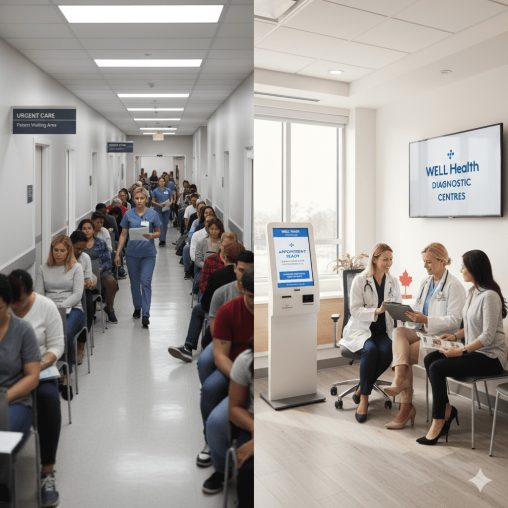
Canada’s healthcare system continues to struggle with long wait times, crowded hospitals, and limited specialist availability. As these challenges grow, many Canadians are asking a serious question: Can WELL Health Medical Centres help relieve the pressure by shifting more services from hospitals to community clinics? This idea isn’t far-fetched—it reflects a global move toward decentralized healthcare, where clinics operate as strategic extensions of hospitals.

Expanding Clinic Capacity to Reduce Bottlenecks
WELL Health has built one of Canada’s most extensive networks of outpatient clinics, virtual care platforms, and diagnostic centres. Locations such as WELL Health Medical Centres in Coquitlam, WELL Health Kerrisdale, and the WELL Health Diagnostic Centres in Brampton already handle large volumes of primary care, cardiology, respirology, and medical imaging services including X-rays. By managing these routine medical needs locally, these clinics naturally reduce unnecessary hospital traffic.
Meanwhile, growing interest in regions like Greater Sudbury shows how underserved communities are actively searching for faster alternatives to hospital care. This geographic spread strengthens WELL’s ability to absorb non-urgent cases that would otherwise contribute to long hospital queues.

Using Digital Tools to Speed Up Care at WELL Health Medical Centres
Transitioning from hospitals to clinics becomes even more effective when digital workflows remove administrative delays. WELL’s technologies streamline referrals, scheduling, and follow-ups—replacing slow, outdated systems with real-time communication. As these digital pathways shorten wait times for specialists, hospitals gain more room to focus on complex and emergency care.
Rotating Specialists for Faster Access
To further expand capacity, WELL’s model supports rotating or traveling specialists, allowing doctors to divide their time between hospitals and clinics. This approach increases patient access in urban and rural regions while reducing the volume of non-critical cases entering hospitals.
Recognizing the Limits and Real-World Challenges
Of course, clinics cannot replace operating rooms, emergency departments, or intensive care units. They also cannot solve national workforce shortages or the increasing demand for highly specialized surgeries. Additionally, provinces must approve funding frameworks that allow clinics and hospitals to share resources effectively, which can introduce policy and regulatory delays.
How WELL Health Medical Centres Can Reduce Wait Times
Even with these challenges, WELL Health offers a practical path forward. By expanding clinic-based care, strengthening diagnostic centres, and modernizing digital workflows, WELL can meaningfully reduce pressure on hospitals. In a country where long wait times have become the norm, this hybrid model isn’t just possible—it’s an important step toward a more efficient Canadian healthcare system.