

 Written by
 Is AI a Bubble? Mike Burry’s Warning
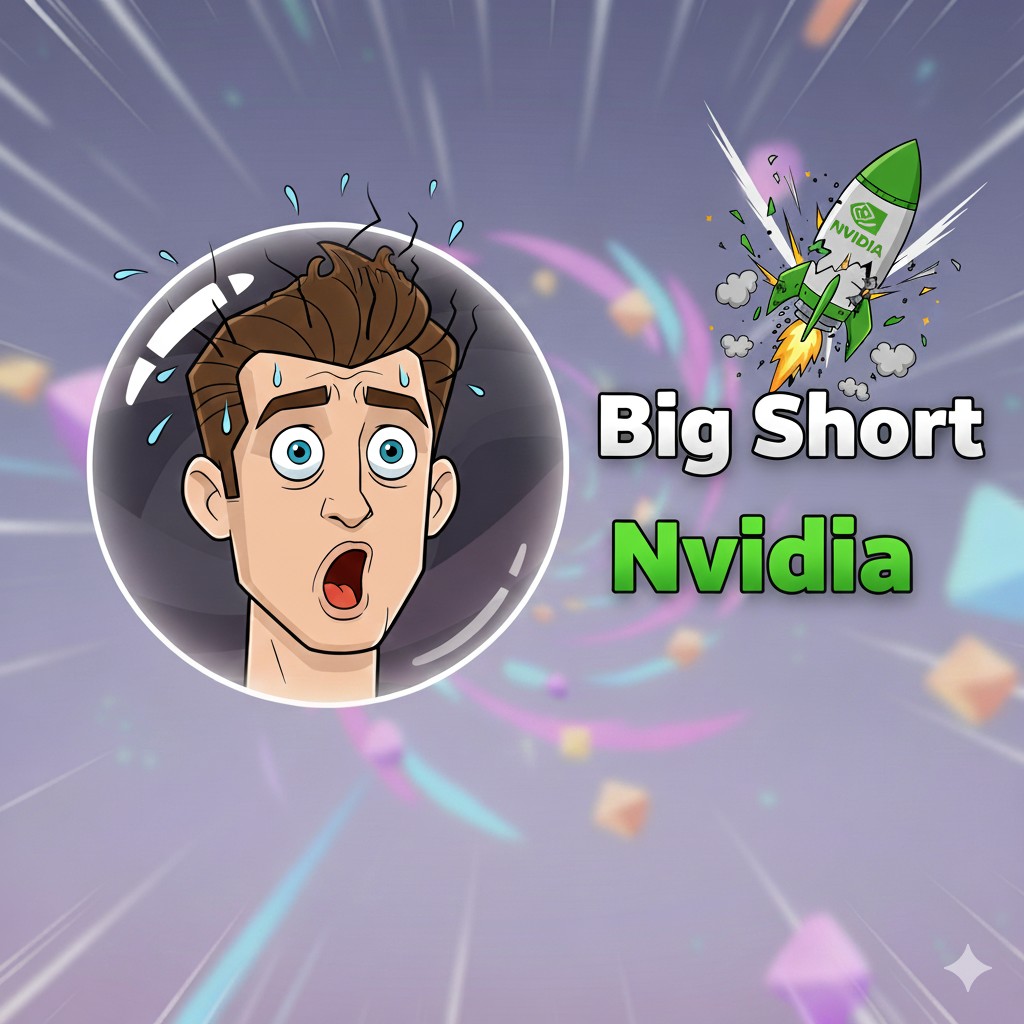
Artificial intelligence (AI) has become the hottest trend in the stock market. Moreover, retail and institutional investors are pouring billions into AI startups and established companies. From commercial software to defense contractors, AI is everywhere. However, is all this hype justified? Noted investor Mike Burry, famous for predicting the 2008 housing crisis, warns that an AI bubble may be forming.
Why Some Experts Call It a Bubble
Commercial AI companies have seen valuations soar far beyond their current revenue or profits. Consequently, investors often focus on potential growth and adoption while ignoring fundamentals. The sheer size of the AI boom—marked by massive capital flows and sky-high tech valuations—draws comparisons with the dot-com era. In fact, institutional investors warn that many stocks have “stretched” valuations and may face a market correction.
The Reality of AI Returns
Many companies invested heavily in AI, but few have generated measurable results. For example, a recent report found that 95% of organizations saw minimal gains from their enterprise AI spending. As a result, concerns about an overhyped market continue to grow.
Hedge funds and institutional investors have increased exposure to AI infrastructure and data-center stocks. Nevertheless, many caution that the market could be entering “bubble land.” Investors are watching popular AI topics closely—like coding tools and AI infrastructure—to separate real opportunities from hype.
Moving from Hype to Sustainability
The challenge now is turning speculation into sustainable growth. Companies with real-world use cases, clear revenue models, and exposure to long-term trends may perform well. On the other hand, firms built only on expectations face higher risk if results fail to match the hype.
Hedge funds can fund innovation in AI, but at the same time, their speculative bets can drive overvaluation. Stocks tied to defense or infrastructure often remain grounded in actual demand and contracts, making them less vulnerable to hype.