
 Written by
 THAAD vs Cheap Drones: Is America’s Missile Shield at Risk?
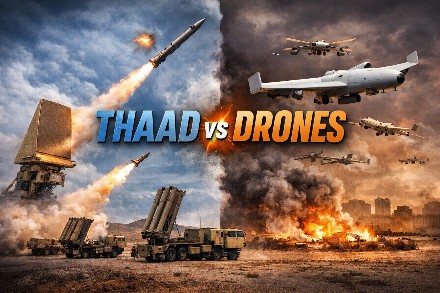
Modern warfare is changing rapidly. Expensive missile defense systems like THAAD, which once dominated the battlefield, now face a new challenge: cheap, mass‑produced drones. Their low cost and swarm capabilities can overwhelm even the most sophisticated defenses.
THAAD, short for Terminal High Altitude Area Defense, is a system designed by the United States to intercept ballistic missiles in their final phase of flight. However, the rise of inexpensive drones has sparked debate among defense experts, with many questioning whether such high-cost systems remain effective against swarms of low-cost aerial threats.
Understanding the THAAD System
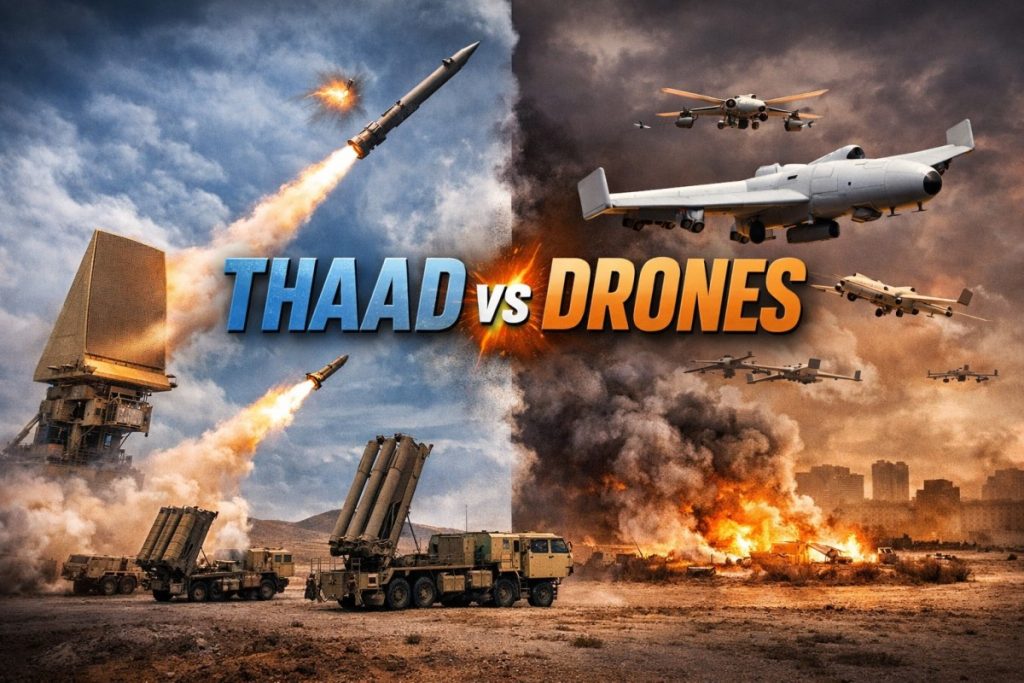
The United States developed THAAD to protect cities, military bases, and allies from incoming ballistic missiles. The system uses powerful radar to detect threats at long distances. Once it identifies a missile, THAAD launches interceptor missiles that destroy the target through kinetic impact rather than explosives.
The system includes several key components:
-
A powerful AN/TPY-2 radar system
-
Mobile missile launchers
-
Interceptor missiles
-
A command and control center
These components work together to track, identify, and destroy incoming threats. The United States has deployed THAAD systems in several strategic regions to strengthen missile defense capabilities.
The High Cost of Missile Defense
Although THAAD represents cutting-edge technology, it comes with a significant cost. Each interceptor missile reportedly costs millions of dollars, and the complete system requires billions in development and deployment.
This cost structure made sense when countries mainly faced ballistic missile threats from advanced military powers. However, warfare is evolving quickly. Instead of launching a few expensive missiles, adversaries can now deploy large numbers of low-cost drones.
This shift creates a difficult financial imbalance. When a defense system fires a multi-million-dollar interceptor to stop a drone that costs only thousands of dollars, the economic logic becomes questionable.
The Rise of Cheap Drone Warfare
Over the past decade, drones have transformed military strategies around the world. Countries such as Iran have invested heavily in developing affordable and scalable drone technology.
These drones offer several advantages:
-
They are cheap to manufacture
-
They can fly long distances
-
They can operate in swarms
-
They are difficult to detect at low altitude
Because of these advantages, drones can overwhelm traditional defense systems. Even if a defense system successfully intercepts some drones, a swarm may still penetrate defenses.
As a result, military planners now worry about cost-imposition strategies, where attackers force defenders to spend far more money on interception than the attackers spend on launching the drones.
Russia-Iran Intelligence Cooperation: Verified Reports
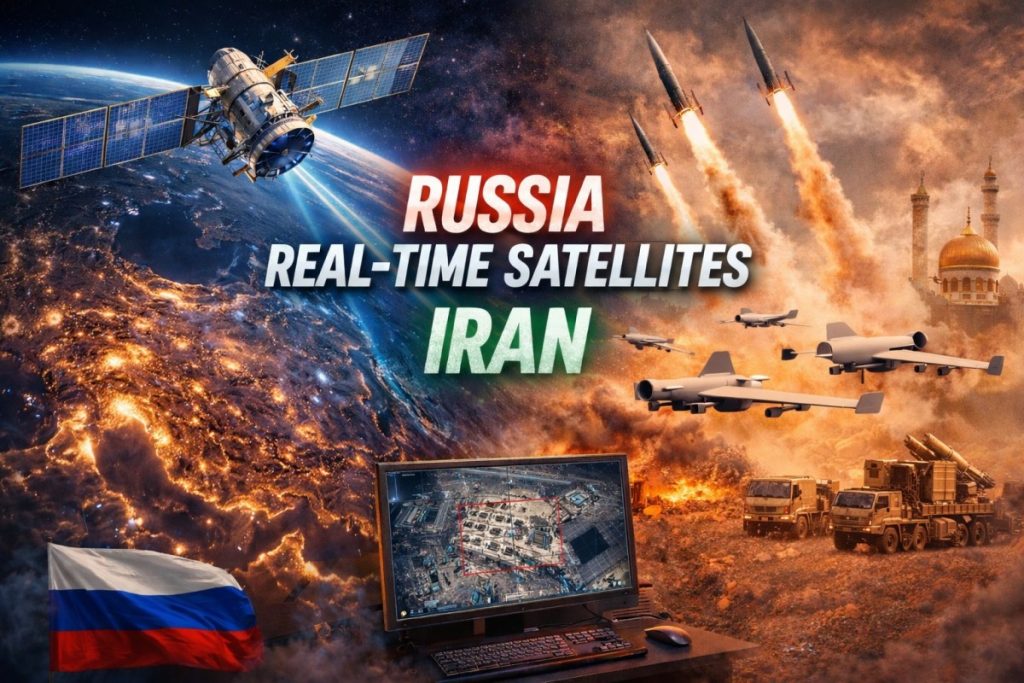
Multiple mainstream sources report that Russia has been providing Iran with intelligence that could assist in targeting U.S. and allied military assets in the Middle East. According to U.S. officials cited by The Washington Post and the Associated Press, this includes information on the locations and movements of U.S. forces, which could enhance Tehran’s operational capabilities.
While Russian authorities have not publicly confirmed these activities, and some U.S. officials have downplayed their significance, several media outlets—including Al Jazeera and The Moscow Times—highlight that these intelligence exchanges align with the broader 2025 Comprehensive Strategic Partnership Treaty between Moscow and Tehran. Analysts warn that this cooperation has the potential to escalate regional tensions and complicate security dynamics, prompting increased monitoring by global defense and diplomatic communities.
Sources: The Washington Post, Associated Press, Al Jazeera, The Moscow Times (2026)
A New Economic Battlefield
The conflict between cheap drones and expensive missile defense systems highlights a broader transformation in warfare. Traditionally, military superiority relied on the most advanced and expensive technology. However, modern conflicts increasingly reward affordable, scalable, and adaptable systems.
This shift creates what analysts call asymmetric warfare. In this type of conflict, smaller or less technologically advanced forces exploit cost advantages to challenge stronger opponents.
Instead of building one extremely expensive weapon, adversaries can build hundreds of inexpensive drones that collectively create a strategic threat.
This economic imbalance forces militaries to rethink how they defend against aerial attacks.
Supply Chains and Rare Earth Minerals
Another challenge facing advanced defense systems involves critical mineral supply chains. Many high-tech military technologies rely on specialized rare earth elements used in electronics, sensors, and radar components.
For example, materials such as Gadolinium and Neodymium play important roles in advanced radar and magnetic systems. These materials enable high-precision detection and targeting capabilities.
However, global supply chains for these minerals remain heavily concentrated in China. China dominates the mining, processing, and refining of many rare earth elements used in high-tech industries.
This concentration raises strategic concerns for Western defense planners. If geopolitical tensions rise, supply disruptions could affect the production and maintenance of advanced military systems.
Rethinking Missile Defense
Because of these technological and economic challenges, defense experts are increasingly exploring new strategies for countering drones and other emerging threats.
Rather than relying solely on expensive interceptor missiles, militaries are experimenting with multi-layered defense systems. These systems combine several technologies, including:
-
Electronic warfare systems
-
Laser weapons
-
Short-range air defenses
-
Anti-drone radar networks
These solutions aim to reduce interception costs while improving response speed against large numbers of small targets.
For example, laser-based systems could potentially destroy drones at a much lower cost per shot compared to missile interceptors.
The Future of Air Defense
The debate surrounding THAAD reflects a broader transformation in global military strategy. Nations must now defend against a wide range of threats, including ballistic missiles, cruise missiles, drones, and cyber warfare.
As technology evolves, defense systems will likely shift toward more flexible and cost-efficient solutions. Instead of relying on a single expensive interceptor, future defense networks may combine artificial intelligence, automated detection systems, and low-cost countermeasures.
This transformation will reshape how countries design their military strategies and defense budgets.
Stocks Gaining Attention Amid Drone and Missile Conflicts
The rise of inexpensive drone warfare and the reliance on high-tech missile defense systems like THAAD has also caught the attention of investors. Defense and aerospace stocks are trending as global markets react to the increasing focus on advanced defense capabilities and drone countermeasures.
Some of the top-performing companies include:
-
Lockheed Martin (LMT) – The maker of THAAD and other missile systems recently hit an all-time high of $692 on March 9, 2026, marking a 44% gain over the past three months. Its leadership in missile defense technology makes it a natural beneficiary of rising demand for advanced systems.
-
RTX Corporation (RTX) – Trading near $208.21, RTX is benefiting from a record backlog of $268 billion. The company’s work in aircraft engines, defense electronics, and missile systems positions it well amid escalating defense requirements.
-
Northrop Grumman (NOC) – Recently broke out of a long-term consolidation pattern to reach new highs, jumping 6% in a single session following the operational debut of the B-21 Raider bomber. Investors see the company as a key player in next-generation strategic defense.
-
Palantir Technologies (PLTR) – While a tech-defense hybrid, Palantir’s AI-driven solutions are becoming a “digital bedrock” for active kinetic warfare. Its software is increasingly deployed in intelligence, drone tracking, and battlefield analytics.
-
General Dynamics (GD) – Experiencing a surge in volume thanks to a massive $118 billion backlog in defense contracts, GD is involved in both armored vehicles and missile systems, making it a versatile player in the current environment.
Emerging and Specialty Defense Players
The current conflict and drone surge have also fueled interest in smaller, specialized defense companies:
-
L3Harris Technologies (LHX) – A top defense pick with momentum driven by a $36.3 billion backlog and expanding missile production capabilities.
-
AeroVironment (AVAV) – Specializing in expendable tech such as loitering munitions and drones, AVAV has seen rising demand in response to low-cost drone proliferation.
-
Kraken Robotics (PNG.V) – A Canadian company gaining traction due to increased interest in subsea surveillance and sonar sensors, particularly amid Arctic tensions.
-
Bombardier Defense – This breakout is capturing attention as global defense procurement focuses on adaptable aircraft and unmanned systems.
-
Kratos Defense (KTOS) – Benefiting from growing demand for unmanned aerial systems (UAS), Kratos is positioned as a supplier of cost-effective counter-drone and drone deployment technologies.
These stock highlight the direct connection between emerging military threats and market behavior. Investors are increasingly monitoring companies that provide both high-tech missile defense solutions and affordable counter-drone technologies.
Final Take
The rise of inexpensive drone technology has created a new challenge for advanced missile defense systems such as THAAD. While THAAD remains highly effective against ballistic missiles, the growing use of low-cost drones highlights an important economic and technological dilemma.
As warfare continues to evolve, military planners must balance technological superiority with cost efficiency. The future of defense may depend not only on powerful weapons but also on smart strategies that address the changing nature of modern conflict.