

 Written by
 Understanding the BBAI Stock Downturn: Why Investors Are Watching Closely
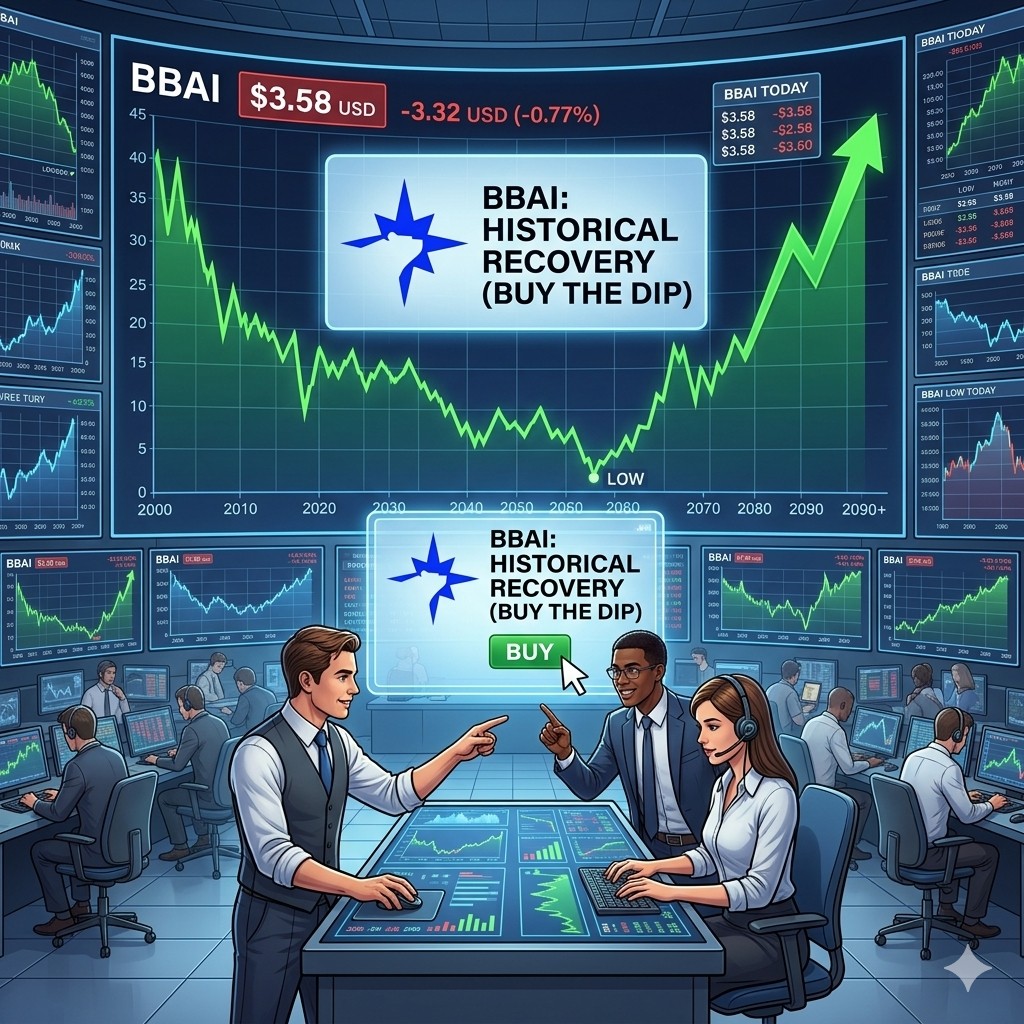
As of March 23, 2026, the BBAI stock downturn has captured investor attention, highlighting a complex story of financial stability, operational challenges, and competitive pressures in the defense AI sector. While BigBear.ai Holdings, Inc. (NYSE: BBAI) has strengthened its balance sheet and attracted institutional investors, disappointing revenue and cautious guidance have contributed to heightened volatility.

Revenue Challenges Drive the BBAI Stock Downturn
The primary factor behind the BBAI stock downturn is BigBear.ai’s Q4 2025 revenue decline. The company reported $27.3 million, down roughly 38% from the previous year. This significant drop exceeded market expectations and raised concerns about the company’s short-term growth trajectory.
Management cited lower volumes in key defense contracts, particularly with the U.S. Army, and the absence of high-margin license deliveries from late 2024 as drivers of the revenue miss. Gross margins fell sharply, dropping from 37.4% to 20.3%, reflecting the impact of lumpy procurement cycles.
Investors reacted to these results with caution, contributing directly to the BBAI stock downturn. The quarterly volatility illustrates the challenges of relying heavily on government contracts, which can be unpredictable in both timing and size.
Strong Financial Position Offers a Silver Lining
Despite operational hurdles, BigBear.ai’s strong balance sheet has helped mitigate some investor concern. The company ended 2025 with $462 million in cash and short-term investments, giving it the liquidity to fund operations, acquisitions, and strategic initiatives without immediate financial pressure.
Additionally, BigBear.ai reduced its debt by over 90% through debt-to-equity conversions. This reduction strengthens the company’s long-term stability and offsets part of the market’s concern regarding the BBAI stock downturn. By maintaining a robust cash position, management has shown its ability to navigate operational dips while pursuing strategic growth.
Strategic Contract Wins Amid Competition
Part of the story behind the BBAI stock downturn involves market perception of contract wins. Notably, BigBear.ai secured a prime contract under the U.S. Navy’s SeaPort Next Generation (SeaPort NxG) program, allowing it to provide AI solutions and support services across federal agencies.
Although some investors initially worried that competitors like Palantir Technologies might dominate, BigBear.ai’s selection as a prime contractor confirms its technical credibility. However, intense competition from firms like Palantir underscores that revenue growth may remain inconsistent, further influencing the BBAI stock downturn.
Institutional Investors Remain Committed
Large institutional investors, including BlackRock, Inc. and Vanguard Group, Inc., continue to hold significant stakes in BigBear.ai. Their confidence indicates that professional investors believe in the company’s long-term potential, despite short-term volatility contributing to the BBAI stock downturn.
Other institutional holders, including UBS Group, State Street, and Geode Capital, have maintained or increased positions, suggesting accumulation during dips. Their presence helps provide a stabilizing factor, even as the stock experiences fluctuations due to operational and market factors.
Analyst Outlook Reflects Caution and Opportunity
Wall Street analysts have adopted a balanced view on BBAI. While average 12-month price targets suggest modest upside, analysts emphasize caution. They highlight the strong financial base, strategic acquisitions like Ask Sage, and defense contracts as potential drivers for recovery.
At the same time, analysts note revenue volatility and heavy reliance on government contracts, which can result in inconsistent quarterly results. These factors collectively explain why the BBAI stock downturn has been sharp, yet also why many investors view the current price as a potential value opportunity.
Risks Driving Continued Volatility
Even with strong fundamentals, several factors may continue to pressure the stock:
- Revenue volatility: Government contracts remain unpredictable, causing uneven revenue streams.
- Profitability challenges: The company remains unprofitable on a GAAP basis.
- Dilution: Share issuance to fund acquisitions and pay off debt has increased the total share count.
- Sector volatility: Defense and AI small-cap stocks typically show heightened price swings.
These factors have amplified the BBAI stock downturn, making the stock more susceptible to near-term declines if operational performance does not stabilize. Short-term traders should remain alert to market movements, while long-term investors may view current prices as a potential entry point.
Balancing Confidence with Caution
The BBAI stock downturn illustrates the dual nature of the company’s investment profile. Strong liquidity, reduced debt, and institutional backing provide stability and growth potential. Yet revenue volatility, heavy competition from firms like Palantir, and share dilution create uncertainty for short-term performance.
Investors need to weigh the long-term strategic narrative against short-term market dynamics. Those with patience may benefit from entering during periods of weakness, while traders should account for the stock’s sensitivity to earnings releases, government contract awards, and broader sector trends.
Final Take: A Stock in Transition
In summary, the BBAI stock downturn reflects both challenges and opportunities:
- Revenue shortfalls and compressed margins have driven recent price weakness.
- Strong financials and reduced debt provide a stable foundation.
- Strategic contract wins, including the SeaPort NxG Navy award, demonstrate market credibility.
- Institutional investors like BlackRock and Vanguard continue to support the stock.
- Analyst forecasts suggest modest upside but highlight the risks of operational volatility.
BigBear.ai’s ability to deliver on 2026 guidance, integrate acquisitions like Ask Sage, and manage government contract pipelines will determine whether the BBAI stock downturn is temporary or a longer-term trend. Investors should remain informed, balancing the company’s strategic potential with near-term risks.
Quick Takeaways for Investors
- Strengths: Cash reserves, debt reduction, institutional backing
- Risks: Revenue volatility, competition, dilution
- Analyst View: Neutral to moderately positive
- Insight: The BBAI stock downturn presents both risks and potential opportunities